

taking notes: ashley oerman
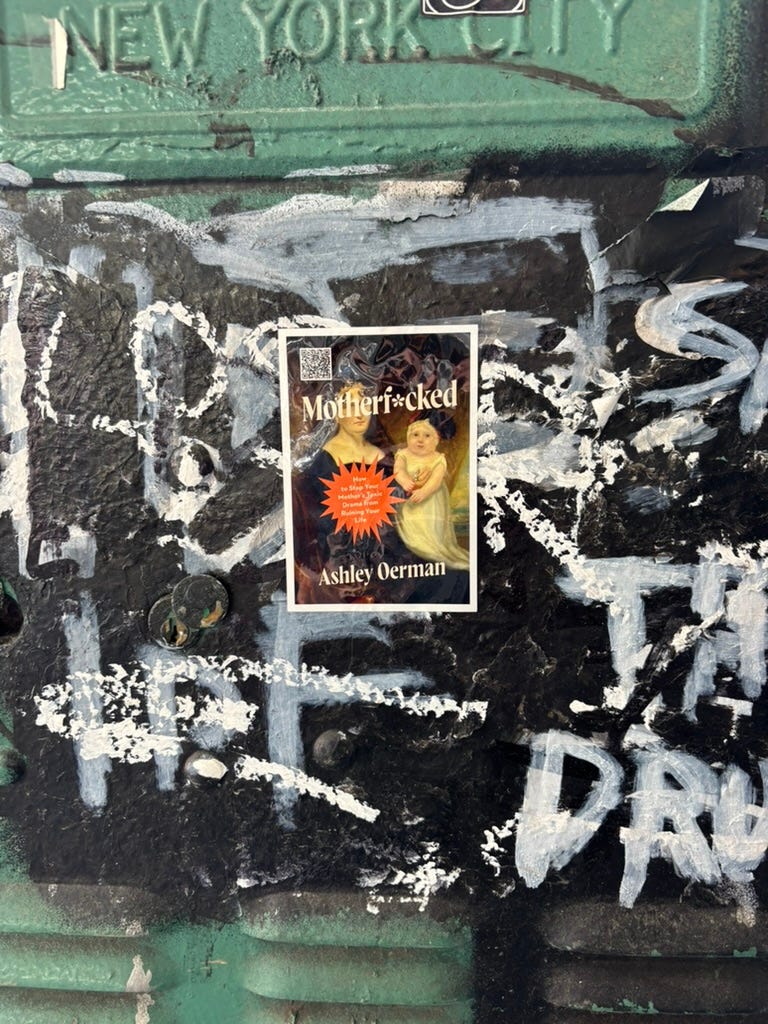
the author of motherf*cked - and my dear friend - talks moms, trauma, and what the f*ck we do about it

Welcome to our eighth installment of “taking notes” where I pester both internet and IRL friends about what makes them tick, their creative process, and how the hell they got so cool. In this edition: Ashley Oerman, author of Motherf*cked: How to Stop Your Mother’s Toxic Drama from Ruining Your Life.
I have been blessed to know Ashley for well over a decade now. One of my early friends here, our paths first crossed as they so typically do in New York City: someone knows someone who has a friend and they have a roommate and you all get drunk at bottomless brunch together and the rest is history.
From the moment I met her, I found her endlessly inspiring. She knew what she wanted and went after it, hard, and through it all was always simply a joy to be around. I always felt like I was more fun and carefree and lighter in her presence - even when bottomless mimosas turned to tears - and though life has pulled and prodded at us and distance (UES to Clinton Hill is a whole thing, you know) has meant we don’t spend as much time together as we once did, when we do get together for Saturday afternoon wine it always feels like no time has passed. Don’t you just love those friends?
Anyways, when she first told me she was writing a book I was thrilled. Not only because she is an excellent journalist and surely would crush the assignment, but also because the topic was one that was endlessly relatable: toxic mom drama! We all know it, we all have it.
With Mother’s Day just moments away, I thought there was no better time to get into the weeds when it comes to our mom shit, so I sat down with Ashley to ask her about her book writing journey, what it felt like to put her mom drama out there for the world, and what we can do if we really don’t want to fuck up our kids.
I hope you walk away feeling a little less alone (and a lot inspired).
Enjoy!
First, let’s start with the basics:
What’s your name? Ashley Oerman
What do you do? I’m the author of Motherf*cked: How to Keep Your Mother’s Drama From Ruining Your Life and the deputy editor at Wondermind, a mental health media company. In another life I held roles at Cosmopolitan and Women’s Health.
Where did you grow up, and where do you live now? I’m from eastern Iowa and now I’m an upper east sider living in Manhattan.
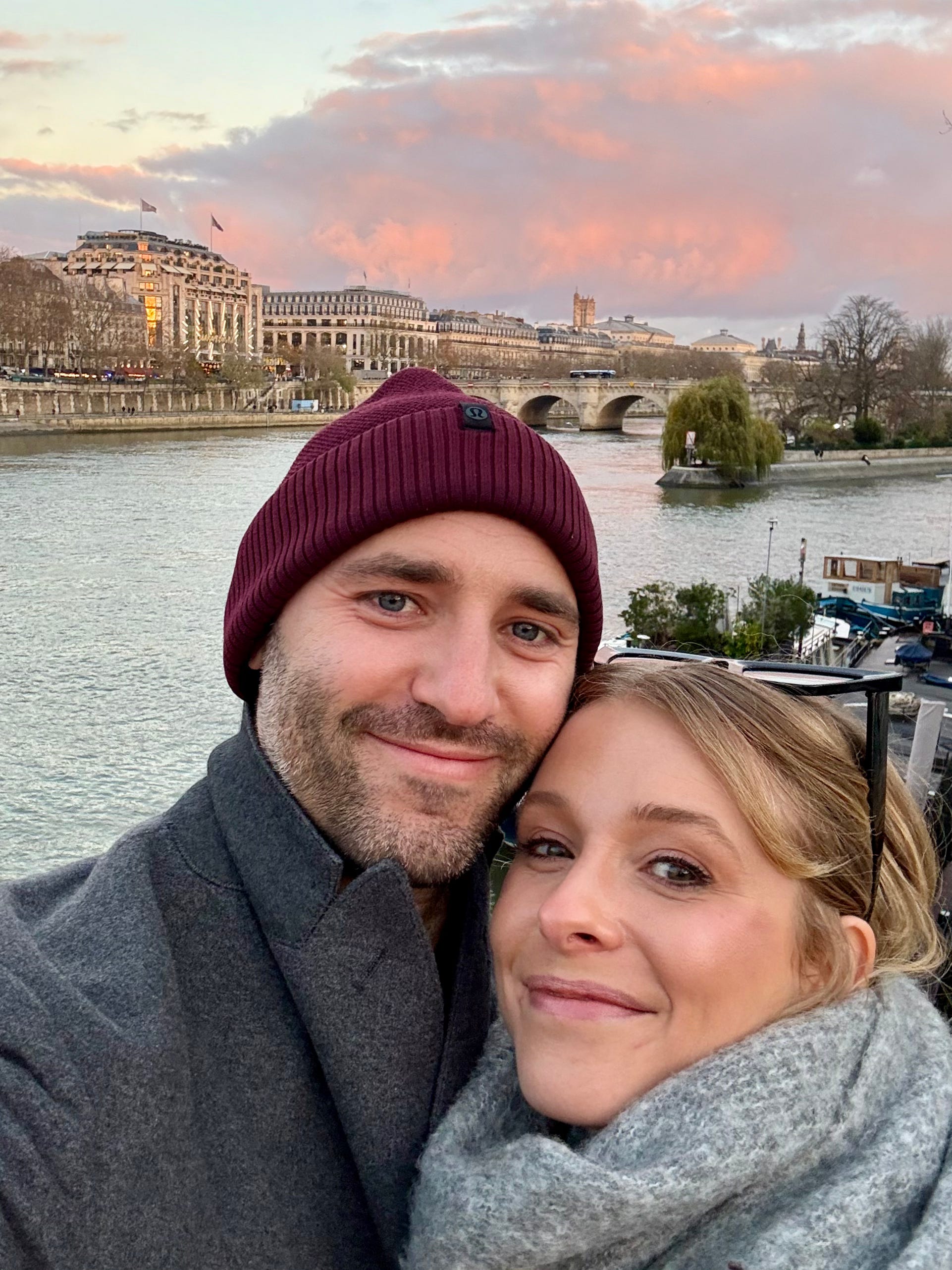
What does your family look like - kids? Partner? Pets? My family is my husband Sean! We can’t wait to be parents one day (to kids and maybe animals).
What does your day to day look like? I work remotely (sometimes lonely, always very convenient), so I’m at home a lot on Zoom.
Where can we find you on the weekends? Running around Central Park, scoping out Chelsea Flea, or downing bagels from Bagel Works.
Walk me through a typical morning at your house. Wake up, gym (unfortunately, exercise does make my brain work better), breakfast, matcha, shower (highly recommend the in-shower matcha drinking experience), and sit at my desk with wet hair until further notice.
What’s your favorite thing about living where you live? Least favorite? Favorites: Proximity to Central Park, pretty townhouses, museums, and lots of cute coffee spots. Least: My social life depends on the Q train alone.

Now let’s get into it:
You wrote a book!!! First of all, congrats. Second, tell the people why you wanted to write it:
Thank you!!!! It feels like just yesterday I was telling you about this thing at Lou’s first birthday <3 (ed note: can confirm this feels like weeks not years ago)
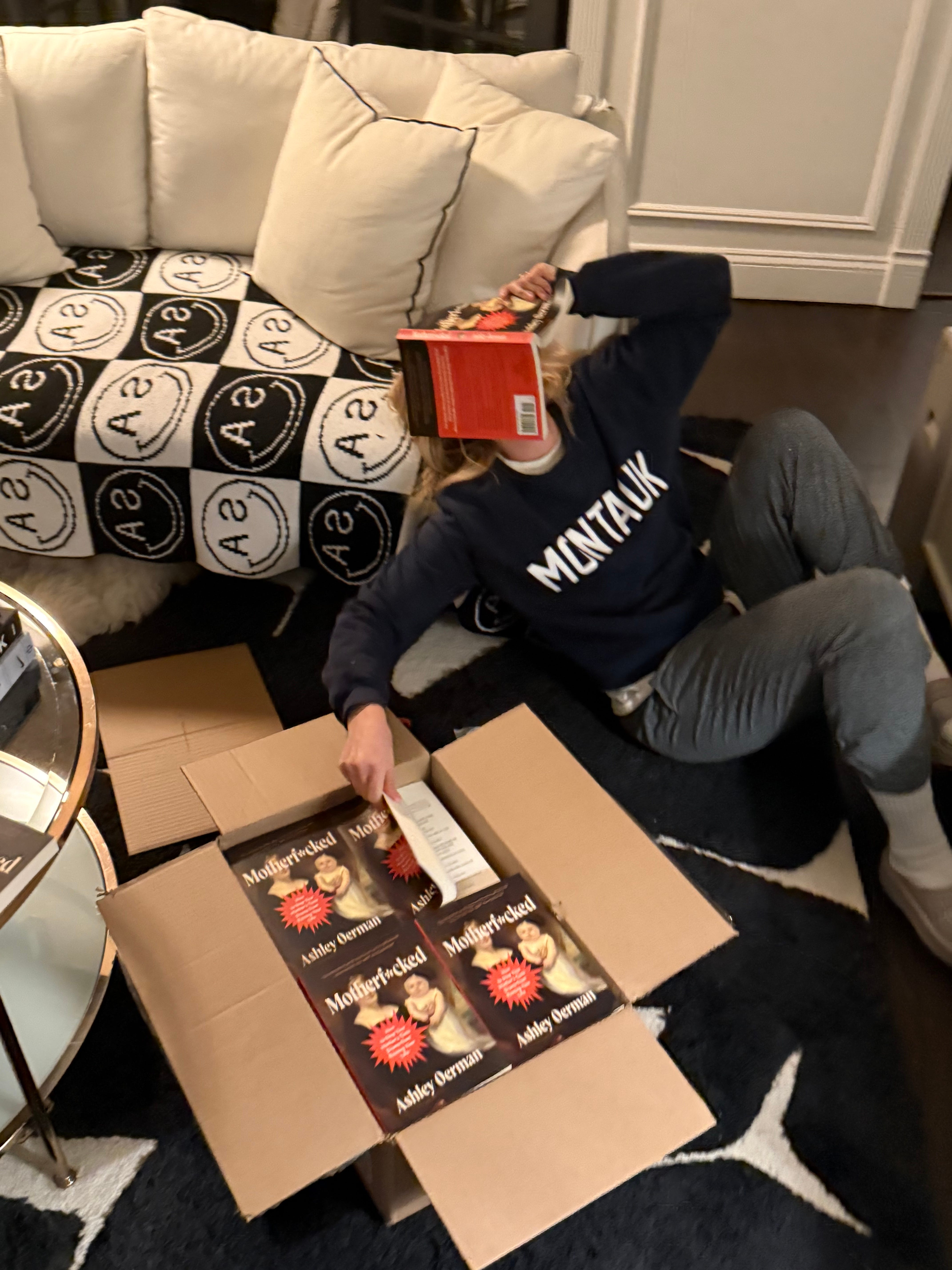
Basically, I wanted to use my background as a health and wellness journalist to write the book I needed like 15 years ago. In Motherf*cked, I interview licensed therapists, grief and attachment theory researchers, and share some of my own experiences to explain why our moms matter, where those relationships can go wrong, and how to start feeling better. As someone who was deeply ashamed about not having a happy, shiny dynamic with my mom, I hope this book (at the very least) makes people feel seen and less embarrassed. This shit is real. You are not being dramatic.
I think it’s such an interesting topic, as we all have a little mom trauma within us. No mother/child relationship is perfect, and we can all use a little self help when it comes to healing ourselves and those relationships. It seems as if we’ve almost normalized some of these bad behaviors you write about. Can you talk a little bit about the pressure society puts on us - especially women - when it comes to our relationships with our moms?
I think it’s helpful to acknowledge that our culture has put an undue burden on moms. They’re asked to be the patron saints of selfless love and unconditional emotional support. It’s not enough that moms (often) put their bodies on the line to birth us; they’re also expected to live up to an impossible standard of care. Part of that is informed by what we see in film, on TV, and on social media. It’s also because of laws and policies that prioritize mothers as primary caregivers. Ugh.
In the end, moms are just people (duh), and life can get in the way of being a perfect parent. But, even as adult children, the hope of having a mom who puts you first, is emotionally invested in you, and packs lunches with love notes, never goes away. We see it in the shows we watch as kids, in our friends’ Mother’s Day Instagram captions, and within the rituals upheld at things like weddings or after the birth of your first kid. With expectations that high, it can feel very isolating to have an unhealthy dynamic with your mom.
It’s a pretty honest book, and it reads very vulnerable. What was it like putting it all into writing, and was there anything you almost didn’t include or that you took out?
I appreciate that! In general, I had a really awful time writing the first draft. Part of that is because I’ve never written a book before, and that turns out to be hard. But, also, I think I had some mental resistance to writing a book about a thing that felt so loaded for me. There were a few times when I seriously thought, “Never mind. I’ll just give the advance money back and quit” (it wasn’t that much money anyway lol).
Weirdly, writing my personal stories came easily. I am a chronic oversharer, so there are plenty of details in the first draft that I had to really sit with before finalizing the copy. With those, I tried to keep the focus on my experience of the situation—sometimes that meant editing things out. I never wanted this to be a burn book, and I think it lives up to that promise.
Motherf*cked is a bold title! What has been the reaction from people when they hear it, and did you ever second-guess it?
Most of the time, the reaction is exactly what I was hoping for. It makes people laugh. I think feeling bad about feeling bad keeps us from doing anything about it. With an irreverent title like Motherf*cked, I hope that the topic feels more approachable. I want to bust through the shame so we can just dig right into it all. There was one moment, before I even wrote my book proposal, when I asked Sean if the title felt gross or creepy. He said no, and I never looked back.
I know you asked for contributions from others about their relationships with their moms. Three made it into the book, but can you tell me a little bit more about what you gleaned from reading everyone’s submissions? Were there any running themes that surprised you?
I love this question! There were so many responses! I revisited these recently because I’m sharing some of them (with permission) on my fledgling Substack (Motherf*cked: The Emotional Support Newsletter). Some of the most common themes were:
1. People never stop wanting their mom, even if their mom was kind of terrible to them.
2. People are grieving their very alive and well moms, and that process goes on indefinitely.
3. Many people dismissed their feelings about their moms until therapy allowed them to confront those emotions.
The thing that surprised me (but maybe shouldn’t have) was that their experiences track exactly with what I cover in the book. (The rest of the book was written by the time I got these, so thank god they aligned.) I was also shocked to see so many similarities between their moms’ behaviors (lots of entitlement and emotional distance happening there).
I read your book through the lens of my relationship with my mother, but also as a mother. Frankly, it had me assessing every little thing I did with Louisa for weeks, worried I was inflicting irreparable trauma on her. I’m pretty sure I’m not, but what advice would you give to moms navigating relationships with their kids? Can you give us the magic key to not fucking them up, please?!
I’m so sorry! The fact that you’re worried about it means you’re probably getting it 99.9% right. This was a big question for me while writing this book: What makes a good mom? I do address this in more detail in Motherf*cked, but the bottom line is that trying (like actually trying) to be sensitive to your kiddo’s needs and to accept them for who they are (not what you’d prefer they be) are correlated with their future success. And when you mess up, which is completely unavoidable, apologizing can help your kid become more resilient. You’re showing them that it’s ok to make mistakes as long as we come back to repair the situation.
A running theme throughout the book is being uncomfortable in that weird space between grief and acceptance, and not holding on to both progress nor setbacks too tightly. How have you managed to walk that tightrope in your own life, and what would you tell someone that may have recently bent a boundary they wanted to set?
As you may have guessed, writing a book about a thing that’s affected me deeply for most of my life means I’m grieving all the time. Even when it feels like I have accepted everything about the way this relationship has impacted me, another loss pops up. From getting the book deal and turning in the final draft to promoting it, every win is tied to a loss. I got here because a relationship in my life really sucks, but I’m here! Sometimes, if I’m feeling off and don’t really know why, I try to journal or just think about what might be going on under the surface. Occasionally, that leads to crying in the shower, other times it doesn’t lol.
When you’re grieving, setting boundaries can protect you from others’ opinions and feedback, so you can make choices that are best for you more easily. If you’ve wavered on a boundary (who fucking hasn’t?), maybe check in about why that happened. Was it with a specific person? Was it a one-off moment? Can you use that boundary-bending moment as a data point that informs the kind of boundaries you set in the future? This advice is really just a bunch of questions. Still, based on my reporting on boundaries and grieving, this is what I’d ask myself in that situation.
If you could go back, how would you have handled your relationship with your mom when you were younger?
Shockingly, I’ve never thought about this before. I’d like to say that I’d test the relationship by breaking rules, not trying so hard to make my mom’s behavior make sense, and just defying my “good kid” status. But, at the time, that was how I got by. Still, I think if I accepted my mom as she is—not who I wanted her to be—at an earlier age, maybe maintaining a surface-level relationship would have felt less painful? I guess we’ll never know—and that’s fine.
What advice do you have for someone who is on the fence about their relationship with their mom. Maybe some comments are off putting, or they don’t see eye to eye on a few situations, but it doesn’t feel that bad.
I’d just try to be as honest as possible about how this relationship makes you feel. Do you think about your mom more often than not? Do you often sacrifice your needs for hers? How much do you stress about how she’ll react to a certain situation? And, maybe most importantly, how much energy does your relationship with her take from other parts of your life?
I think those questions can help you get to the bottom of how “bad” the relationship is. If it turns out that your mom adds more to your life than she takes from it, I love that for you. Truly. In that case, boundaries are still your friend. Setting some guardrails on this relationship can actually improve it. Can you avoid talking about those triggering topics? Can you ask her not to say those kinds of things to you? See how she responds to your requests and use that info to inform whether you need stronger boundaries or if those rules are enough to protect the good parts of your relationship.
Did Foxy read it?!
Yes! I sent her the copy before it was finalized. My dad kindly served as the middleman. Her first note was that she was impressed with the research. I’m taking that as a win.
Rapid fire round:
Favorite restaurant: Xi’an Foods (Spicy, tingly beef, baby!)
Most worn item in your closet: My low-rise ultra loose Abercrombie jeans have changed my relationship to denim
Can’t live without product: This clip is almost always in my hair
Dream vacation spot: Call me basic, but it’s always Paris
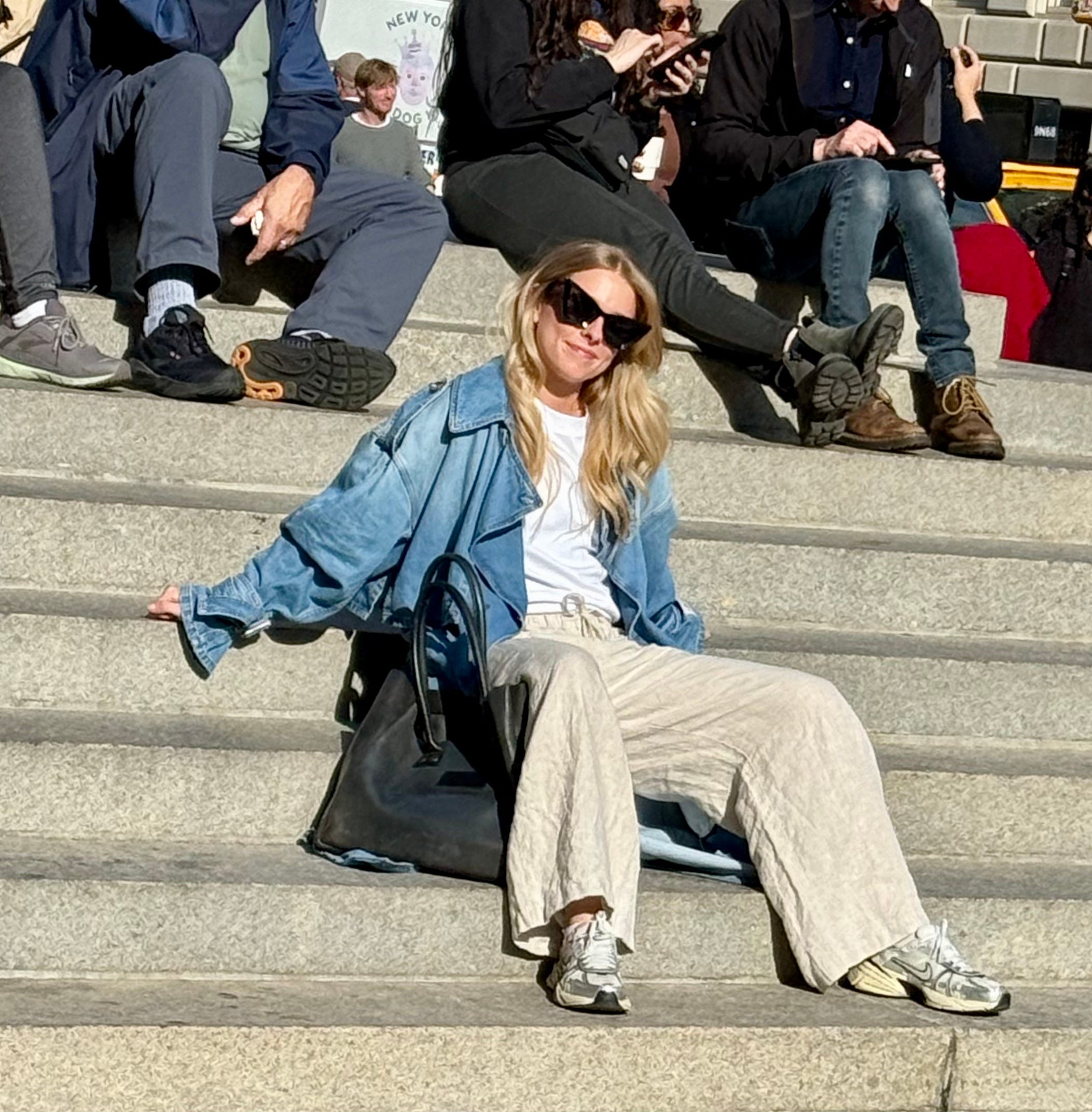
Favorite place for creative inspiration: The MET on a Friday night
Currently reading: A Beast Slinks Towards Beijing and Strangers
Currently watching: Bravo fucking Bravo (IYKYK)
Can’t miss podcast: So many! Maintenance Phase, Magical Overthinkers, Good Noticings, Giggly Squad, Everything Iconic with Danny Pellegrino, Calling Home, Gloss Angeles, Fashion People, Ghost of a Podcast, Pivot…
Song/album/artist you have on repeat? Kiss All The Time, Disco Occasionally
Anything else you want our readers to know? What’s next for you?
I’m trying to scheme my way into being a bartender on an episode of Watch What Happens Live! Fingers crossed. Otherwise, feel free to stop me on the street and tell me about your mom.
Links to where everyone can find you!
Order Motherf*cked: How to Keep Your Mother’s Toxic Drama From Ruining Your Life anywhere books are sold! It’s out April 28th!
Find me on Instagram and TikTok
Peep my Substack: Motherf*cked: The Emotional Support Newsletter (It’s free!)
ok that’s all from me today, see you tuesday!!
xx
jen
Excited for this book! Ashley I think we’re neighbors — bagelworks is my local 🥯
Adding to my book stack immediately